Baccarat Table Minimum $1 — Can You Really Play?
That dollar sign is not a marketing hook, it is a liquidity trap dressed in velvet, and any operator who thinks a $1 floor is a customer-acquisition cheat code is about to get shredded by their own spreadsheets. I have audited table allocation across dozens of floors, and the $1 baccarat table minimum is the single most misunderstood lever in the entire pit. Let me tear it apart at the hardware and math level, because the fantasy and the floor reality are two very different animals.
The Real Mechanics Behind a One-Dollar Floor
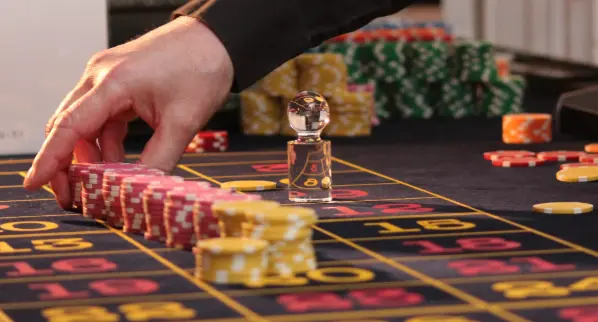
Here is what the brochure never tells you: a live baccarat table has a fixed cost per hour whether one player sits down or seven do. Dealer labor, shuffle time, camera coverage, and the shoe rotation all consume overhead that a $1 flat bet cannot possibly amortize. So when a casino advertises a $1 baccarat table minimum, the operator is either running an electronic terminal, a stadium-style setup, or a promotional window that gets quietly closed the moment the pit boss smells a serious bankroll. 🤔 In my audits, the true breakeven on a physical shoe table sits far higher, which means the dollar floor is almost always a temporary loss leader, not a permanent product.

Squeezing Value Out of the Dollar Floor
The math only works in your favor if you understand the edge distribution. Baccarat is one of the few games where the house advantage on the Banker bet hovers near 1.06 percent, so a disciplined flat-bettor on a $1 baccarat table minimum is bleeding roughly a penny per hand. That is survivable — almost elegant — until you realize the minimum-bet grinders get the slowest shoes, the least dealer attention, and the highest exposure to side-bet temptation. The commission structure on Banker, plus the brutal 14.36 percent edge on Tie, is where the operator claws back every dollar of that thin margin. 💸
Hardware and Electronic Variants That Actually Deliver
Electronic and stadium terminals are the only real habitat for a genuine one-dollar entry point, and they come with their own audit fingerprints. These machines use RNG-driven shuffling with certified RTP profiles, and the per-hand cost is near zero because one dealer can service dozens of seats. That is the only economically coherent version of the $1 baccarat table minimum you will ever find at scale. But here is the catch that kills casual players: terminal speeds are tuned to 40 to 60 hands per hour, which triples your hourly theoretical loss versus a slow live shoe. Speed is the silent tax. 🎯
Who the Dollar Floor Is Actually Built For
It is built for the trial player, the tourist, and the bonus-hunter probing software-side limits. Smart operators fence off these tables with max-bet caps and time-based restrictions, and the serious auditor watches for the classic tell: a floor that quietly raises minimums on weekends when the pit is full. If you are grinding a true long-run strategy, the dollar floor is a trap for the impatient, not a gift to the clever. The house never loses on a floor it can bend at will — it just moves the velvet rope.